Blogs

Generative engine optimisation vs SEO: one foundation

Generative engine optimisation and SEO share one foundation: content that machines can read and people can trust. SEO works to rank a page and win the click. GEO works to get that same page quoted inside an AI assistant's answer. We treat GEO as an extension of SEO work, with its own measures.

Search results and an AI assistant answer citing the same product page

Key takeaways

1

SEO earns rankings and clicks; GEO earns citations inside AI answers.

2

Both depend on crawlable pages, structured data and precise content.

3

GEO needs its own measures, because an AI citation may never become a visit.

Heading 1

Heading 2

Heading 3

Heading 4

Heading 5
Heading 6

Lorem ipsum dolor sit amet, consectetur adipiscing elit, sed do eiusmod tempor incididunt ut labore et dolore magna aliqua. Ut enim ad minim veniam, quis nostrud exercitation ullamco laboris nisi ut aliquip ex ea commodo consequat. Duis aute irure dolor in reprehenderit in voluptate velit esse cillum dolore eu fugiat nulla pariatur.

Block quote

Ordered list

  1. Item 1
  2. Item 2
  3. Item 3

Unordered list

  • Item A
  • Item B
  • Item C

Text link

Bold text

Emphasis

Superscript

Subscript

The decision on the table is where the next euro of search budget goes. Some shoppers now start product research in AI assistants such as ChatGPT, Google Gemini and Perplexity. Setting up a separate GEO programme duplicates work. Most of what GEO needs is already on the SEO roadmap, so the real question is which parts to prioritise.

What separates generative engine optimisation from SEO

Search engine optimisation (SEO) aims for a high position in a list of results, and success is a click to your site. Generative engine optimisation (GEO) aims for your content to be used as a source when an AI assistant writes an answer. Success there is a mention, a quote or a link inside that answer, and the shopper may never visit.

That changes what good content looks like. A ranked page has to beat competing pages on relevance and authority. A cited page has to state a clear, specific answer that a model can lift and attribute. Vague marketing copy fails both tests, but it fails GEO faster, because a model has nothing concrete to quote.

Crawlable pages come first for both

Both disciplines start with pages that crawlers can fetch and read. If a storefront sends a near-empty page and builds the content with JavaScript, search engines index it late and some AI crawlers may not see it at all. Server-side rendering removes that risk, and the detail for headless storefronts sits in SEO for single page applications.

Structured data serves search engines and AI alike

Structured data helps both disciplines. Product markup that states name, price, availability and reviews in a standard format lets search engines build rich results and gives AI systems facts they can use with confidence. On a Salesforce storefront this is part of the architecture decisions covered in headless commerce with the Composable Storefront.

Product discovery tells you what to answer

Content that gets cited answers the questions people actually ask, in the words they use. That starts with product discovery: interviews, search data and customer service logs that show the pain points and the language of your buyers. Without it, teams write what they want to say and hope it matches what shoppers ask.

The same insight feeds SEO and GEO at once. A product page that answers "which chocolate gift for a colleague" in plain terms can rank for that search and serve as the source for an assistant's recommendation. One piece of research, two channels.


Bruno Braes
co-CEO

Vague marketing copy fails both tests, but it fails GEO faster, because a model has nothing concrete to quote.

Bruno Braes

|

co-CEO

What this looks like for Neuhaus

Neuhaus, a FORWARD client, shows how this plays out in commerce. In ChatGPT, answers can link directly to Neuhaus's shoppable brand pages, so a shopper can search and buy from within the conversation. The product range is built around real consumer segments and gift occasions identified through the Neuhaus product mix.

Named products such as the Neuhaus Milk Collection and the Heart-Shaped Tin carry through into structured data, using the Product and Offer types. That makes the same pages easier to find for search engines and easier to use for generative AI. The product information that makes a strong product page is set out in product detail page best practices.
Measure GEO separately from SEO

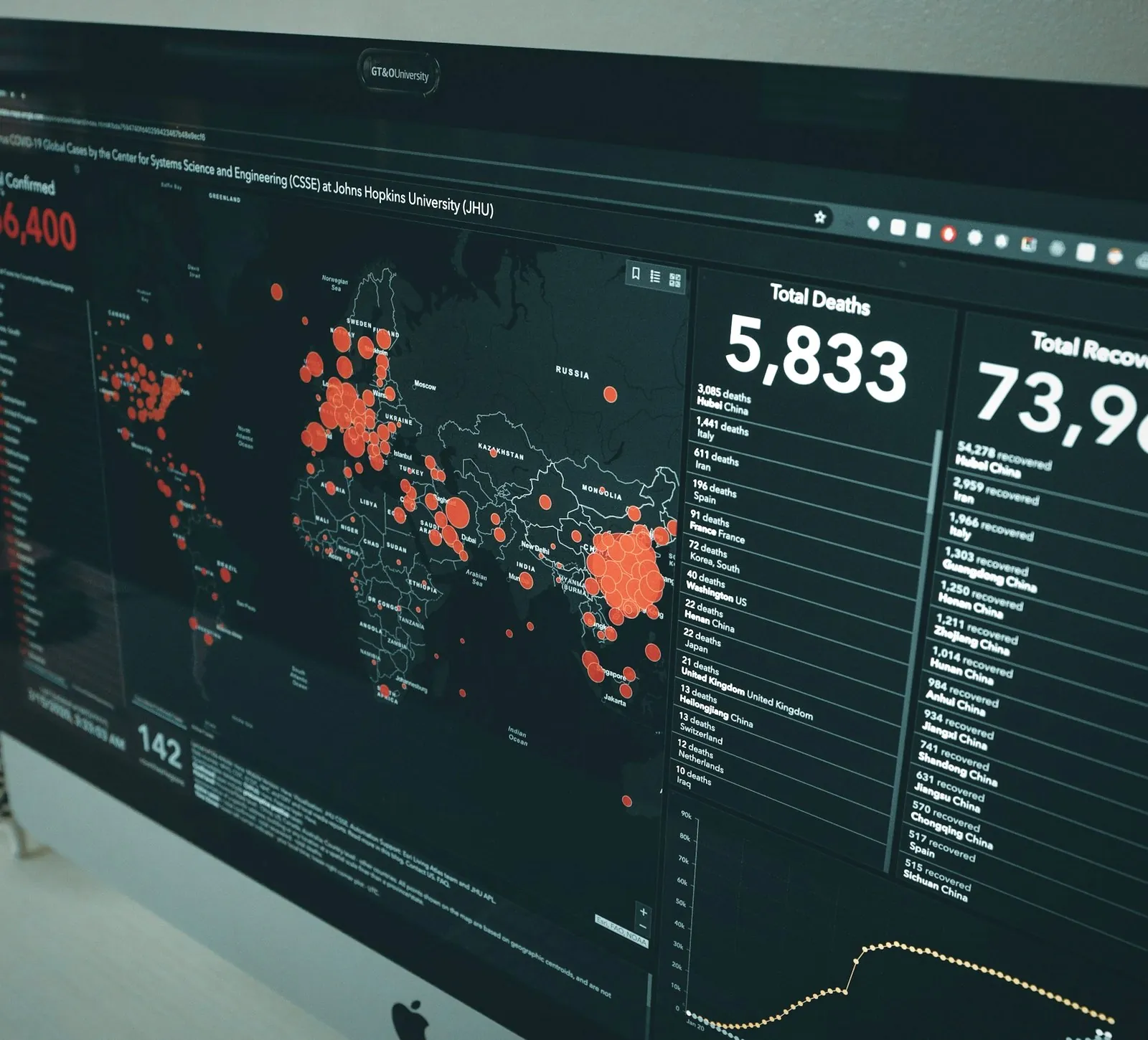
SEO has mature measures: rankings, impressions, clicks and organic revenue. GEO needs its own, and a short set covers most of what a commerce team needs to know.

  • How often your brand or pages appear in AI answers to your core shopper questions.
  • Whether those answers describe your products, prices and policies correctly.
  • How much traffic arrives from AI assistants, which Google Analytics 4 can report as referral traffic.
  • Which of your pages the assistants cite, so you know which content earns its place.

Accuracy deserves its own attention. An assistant that quotes an old return policy or a discontinued price creates a service problem you did not cause but still have to solve. The fix sits on your own pages: keep policies, prices and availability current and state them plainly, so the next answer draws on the right facts.

Treat the numbers with care. AI answers vary between sessions and users, so a single check proves little. Run the same set of questions on a schedule and track the trend, the same way you would track rankings for a set of keywords.

Where to put the budget

For most commerce teams, GEO work sits inside the SEO budget: rendering, structured data, complete product information and content built on discovery research. A separate programme makes sense only when AI assistants already send measurable traffic or when your category is one where shoppers ask for advice before they buy.

That is also how we approach it with clients. We fix the shared foundation first, because it pays off in both channels, and add GEO-specific measures once there is something to measure.

Explore Commerce Cloud
About the Author
Bruno Braes
co-CEO

Our insights

Button Text
No items found.
No items found.
No items found.