Blogs

What Marketing Cloud Intelligence adds to marketing analytics

Marketing Cloud Intelligence is the Salesforce product for marketing performance analytics: it brings spend and results from every channel into one view. Our position: it pays off when the hard part is combining many sources, and a BI tool you already run may be enough when it is not.

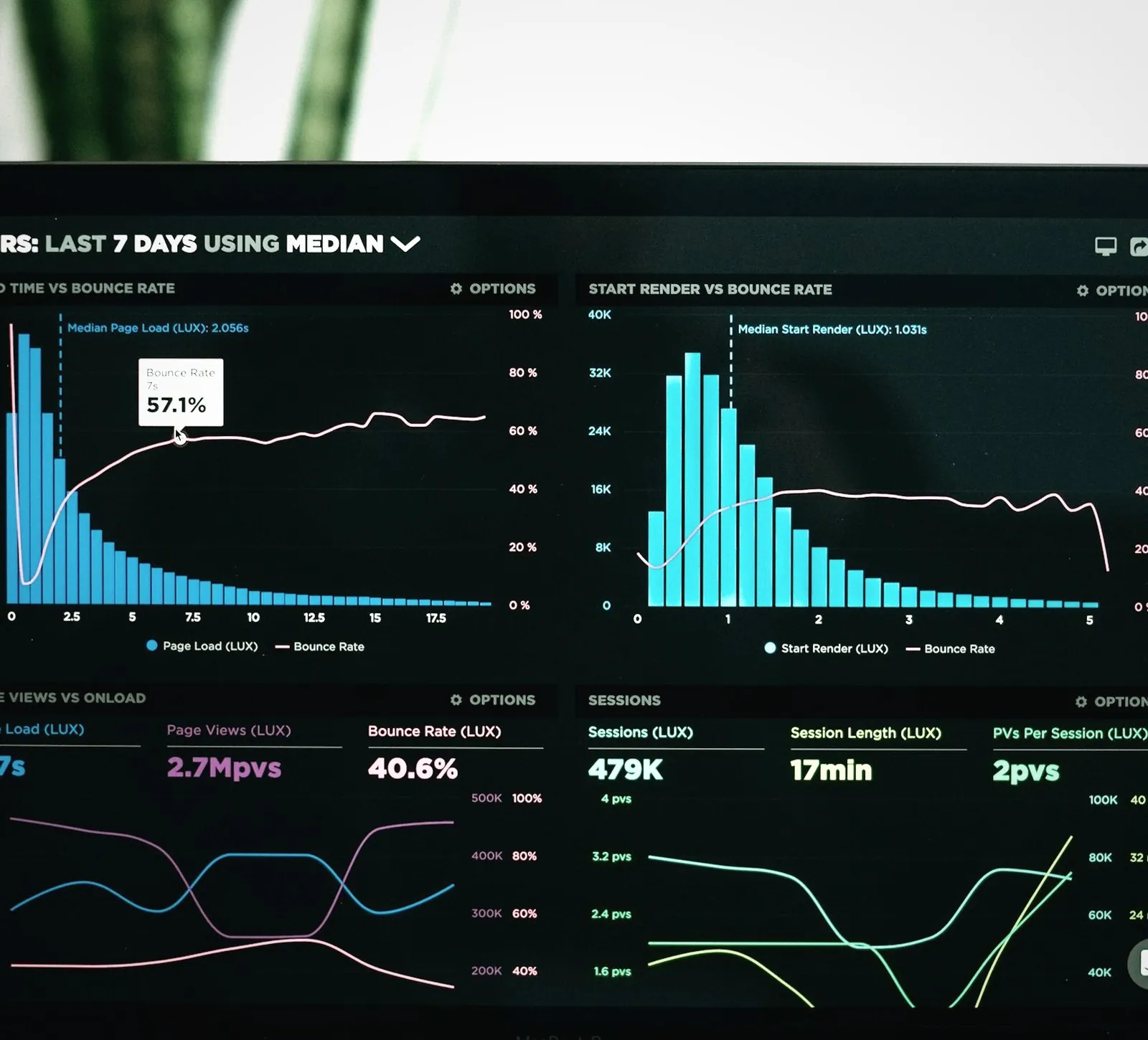
Cross-channel marketing performance dashboard in Marketing Cloud Intelligence

Key takeaways

1

Marketing Cloud Intelligence combines spend and results from many channels in one model.

2

The real work is a shared naming convention for campaigns, channels and markets.

3

With few sources and an existing BI tool, a dedicated platform may add little.

Heading 1

Heading 2

Heading 3

Heading 4

Heading 5
Heading 6

Lorem ipsum dolor sit amet, consectetur adipiscing elit, sed do eiusmod tempor incididunt ut labore et dolore magna aliqua. Ut enim ad minim veniam, quis nostrud exercitation ullamco laboris nisi ut aliquip ex ea commodo consequat. Duis aute irure dolor in reprehenderit in voluptate velit esse cillum dolore eu fugiat nulla pariatur.

Block quote

Ordered list

  1. Item 1
  2. Item 2
  3. Item 3

Unordered list

  • Item A
  • Item B
  • Item C

Text link

Bold text

Emphasis

Superscript

Subscript

The decision on the table is where marketing performance gets measured, and by whom. Many marketing teams still report by exporting from each advertising platform and merging spreadsheets every month. That process is slow, and it produces numbers that nobody outside marketing fully trusts. Moving to a dedicated platform is worth it only if it fixes the trust problem as well as the speed problem.

What Marketing Cloud Intelligence does

Marketing Cloud Intelligence, formerly Datorama, connects data from advertising platforms, social channels, web analytics, email and CRM, and maps it onto one data model. Spend, impressions, clicks, leads and revenue then sit side by side per campaign, channel and market. Dashboards and alerts sit on top, so a team can see which channels deliver and where budget is running ahead of plan.

Its strength is harmonisation. Each source names things differently, and Marketing Cloud Intelligence can map those differences onto shared dimensions without a data engineer rebuilding the pipeline for every new source. Salesforce also sells Datorama Reports (Intelligence Reports) for Marketing Cloud Engagement, a lighter reporting option focused on email and journey data. Which fits depends on whether you need to analyse one Salesforce product or every channel you pay for.

The platform question is still moving

Salesforce has also launched a separate Marketing Intelligence product on its core platform, alongside the Marketing Cloud Next editions. Marketing Cloud Intelligence remains on sale. For a new investment, the choice depends on where the rest of your marketing runs and how much of your data already lives on the Salesforce platform. That uncertainty is a reason to start with work that keeps its value whichever product you choose.

Harmonisation is where the value and the effort sit

A cross-channel view is only as good as the naming behind it. If one market tags a campaign by product and another by season, no platform can compare them without someone deciding what the shared dimensions are. That taxonomy is the agreed list of values for campaign, channel, market and objective. It takes the longest to build and delivers the most.

It is also a governance decision. Agencies and internal teams need to apply the same naming when they set up campaigns, or the data breaks at the source. The organisations that get most out of marketing performance analytics treat the taxonomy as a standard with an owner and a change process. We ask for that owner, and for a first version of the taxonomy, before we connect a single source.


Priscilla Calemi
Marketing & Community Manager

A cross-channel view is only as good as the naming behind it.

Priscilla Calemi

|

Marketing & Community Manager

An owner keeps the numbers trusted

Marketing performance analytics needs an owner inside the business after launch. Someone has to add a source when a new channel starts, keep the taxonomy current as markets launch campaigns and check that spend data arrives complete. That is a permanent role, usually in marketing operations, with support from IT for the connectors. Budget for it alongside the licence.

A platform without an owner drifts. The dashboards stay online while the numbers behind them go stale, and people return to their spreadsheets. When that happens, the organisation pays twice: once for the platform and once for the manual reporting it was meant to replace.
What to measure once the data is in one place

The useful measures connect spend to outcomes across channels. Cost per acquisition by channel and market, return on advertising spend, and pacing against budget become comparable once every source uses the same dimensions. That lets a marketing team move budget while a campaign is still running.

The honest measure is revenue or qualified pipeline, not clicks. Clicks and impressions are easy to collect and flattering to report. The link to revenue usually depends on CRM or commerce data, which is why connecting Sales Cloud or Commerce Cloud (Agentforce Commerce) is often the step that makes the dashboards credible to finance. The broader practice of steering campaigns on these numbers is covered in performance marketing with Marketing Cloud.

When a dedicated platform is not needed

Marketing Cloud Intelligence earns its place when you run many paid channels across several markets, work with multiple agencies and need the same numbers for marketing and finance. A company with three or four sources, one market and an established BI tool such as Tableau or Power BI may get the same result by building a few connectors into its existing data warehouse. That route keeps analytics in one place and avoids a second licence.

Web analytics is a separate question. Google Analytics 4 (GA4) is the tool many teams use for on-site behaviour, and connecting web analytics to Marketing Cloud covers how that data reaches your campaigns. Marketing Cloud Intelligence can take GA4 data in as one source among many.

A shared naming convention, an owner for it and clean spend data keep their value whichever analytics product you choose. We have weekly calls with Salesforce product management, so we follow where marketing analytics on the platform is heading and can raise gaps with the people who decide on the roadmap. One team at FORWARD handles the integration between the Salesforce products involved, which is where cross-channel reporting projects usually stall.

Explore Marketing Cloud
About the Author
Priscilla Calemi
Marketing & Community Manager

Our insights

Button Text
No items found.
No items found.
No items found.