Blogs

Journey Builder Path Optimizer: when journey tests pay off

Journey Builder Path Optimizer lets you test up to ten versions of a path inside a running journey in Marketing Cloud Engagement. We use it when the question is about timing, frequency or channel. For a subject line, a plain A/B test is quicker.

Journey Builder Path Optimizer test with several paths

Key takeaways

1

Path Optimizer tests sequences of messages, while A/B tests compare single emails.

2

The metric that picks the winner decides whether the test tells you anything.

3

The longest path sets the test length, so keep test paths short and close to entry.

Heading 1

Heading 2

Heading 3

Heading 4

Heading 5
Heading 6

Lorem ipsum dolor sit amet, consectetur adipiscing elit, sed do eiusmod tempor incididunt ut labore et dolore magna aliqua. Ut enim ad minim veniam, quis nostrud exercitation ullamco laboris nisi ut aliquip ex ea commodo consequat. Duis aute irure dolor in reprehenderit in voluptate velit esse cillum dolore eu fugiat nulla pariatur.

Block quote

Ordered list

  1. Item 1
  2. Item 2
  3. Item 3

Unordered list

  • Item A
  • Item B
  • Item C

Text link

Bold text

Emphasis

Superscript

Subscript

The decision on the table is which questions deserve a journey-level test, and which metric settles them. A Path Optimizer test holds contacts for days or weeks. Once it picks a winner, every new contact follows that path, so a badly chosen metric shapes the journey long after the test has ended.

What Path Optimizer does inside a journey

Path Optimizer is a flow control activity in Journey Builder, the tool in Marketing Cloud Engagement that moves contacts through a sequence of messages and waits. You place it in a journey and split contacts across up to ten test paths. Each path can differ in content, wait times, send frequency or channel. When the test ends, one path wins and every contact who enters afterwards follows it. The journey keeps running throughout, with no new draft for each variation.

We run marketing automation programmes with campaigns that reach two million recipients, and at that scale a test that needs a fresh journey version each time is a test nobody schedules. Journey Builder is part of Marketing Cloud Engagement; Salesforce also sells a marketing product on its core platform, described in Marketing Cloud Next and its editions, and the testing tools differ between the two.

Path Optimizer and A/B testing answer different questions

An email A/B test compares two versions of one message. Path Optimizer compares versions of a sequence. If you want to know which subject line earns more clicks, an email split test answers it faster and with less setup. If you want to know whether three emails over ten days beat two emails and an SMS over a week, only a path-level test can tell you, because the variable is the journey itself.

Manual winner selection widens the scope further. Test paths can include custom activities and channels beyond email. You can then judge them on a result Marketing Cloud Engagement does not track, such as orders in your commerce platform. On Marketing Cloud Advanced (Marketing Cloud Next, Advanced edition), the comparable feature is called Path Experiment, which we cover when comparing Marketing Cloud Growth and Advanced.

The winning metric matters more than the number of paths

Automatic selection judges paths on email engagement: opens, clicks or unsubscribes. Opens are the weakest of the three. Privacy features in several mail apps load images automatically, which inflates open rates without anyone reading the email. A path picked on opens can win for reasons that have nothing to do with your customers.

Clicks are the better signal for content tests. Unsubscribes suit a test about frequency, because the risk of sending more is losing the contact altogether. When the goal is revenue, choose the winner manually and measure it where revenue is recorded. Someone has to read the results at the end and make the call. Name that person before the test starts.


Priscilla Calemi
Marketing & Community Manager

A path picked on opens can win for reasons that have nothing to do with your customers.

Priscilla Calemi

|

Marketing & Community Manager

The longest path sets the test duration

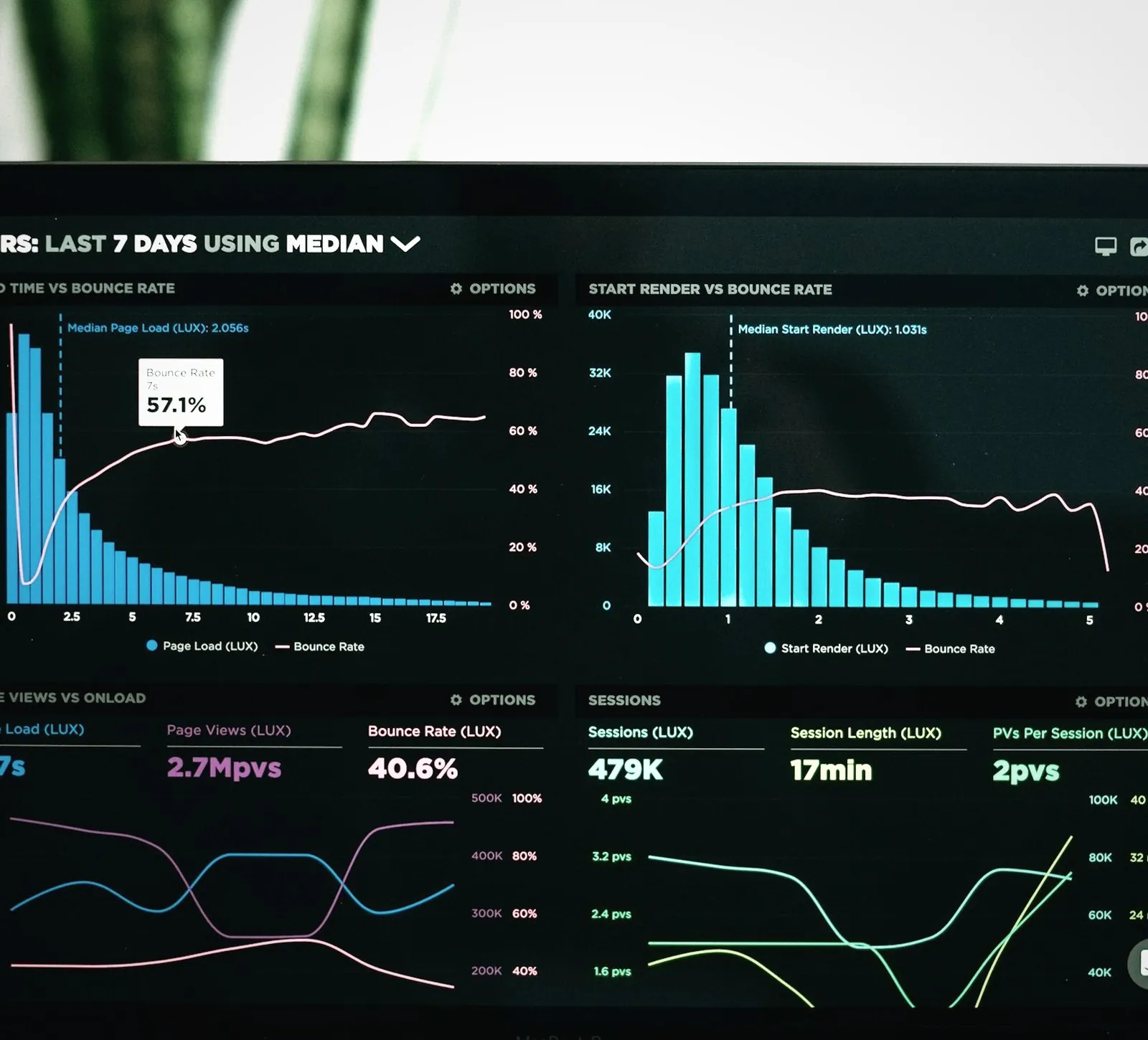
Total test time equals the longest test path plus the engagement period, which is the wait Journey Builder applies before it calculates the winner. A three-day path with a two-day engagement period gives a five-day test. Add one path with a fortnight of waits and every contact in the test is held for that full length before a winner exists. The total has been capped at 99 days, so check the current limit before you design a long test.
Duration has a cost of its own. While the test runs, part of your audience receives the weaker path. On a long onboarding or renewal journey, a test that runs for months means a large group of customers gets the losing version for most of their lifecycle. Place the tested variable close to the journey entry where you can.

Copying a running journey needs a written record

Copying a journey with a Path Optimizer activity depends on the state of the test. If you have selected a winner, only the winning path is carried into the copy. If you have not, every test path comes across. We have also seen the activity disappear when a running journey is copied, which leaves the new version without the test it was built around.


Keep a short log for each test with the hypothesis, the paths, the metric, the dates and the outcome. That log survives when journeys are rebuilt or handed to a new team.

Path Optimizer earns its place in a testing programme with volume

Path Optimizer pays off when the basics of a testing programme are already in place. Before you add it to a journey, check the following:

  • Enough contacts enter the journey each week to fill every test path within the test window.
  • The question is about timing, frequency or channel, which a message-level test cannot isolate.
  • Someone owns the result and has time to act on it after the engagement period.
  • Your customer data links email behaviour to outcomes such as orders, so the winner reflects business value.

If the journey has low volume, a simpler route works. Run the variations one after another and compare the periods. It is slower, and it is honest about what small numbers can prove. Content usually moves results more than structure, so getting email personalisation right comes before tuning the path.

Our Marketing Cloud team designs these tests with your own marketers and stays on after launch to read the results against the KPIs agreed at the start. Most of that time goes into the test design, because a well-built path judged on the wrong metric still picks the wrong winner.

Explore Marketing Cloud
About the Author
Priscilla Calemi
Marketing & Community Manager

Our insights

Button Text
No items found.
No items found.
No items found.