Heading 1
Heading 2
Heading 3
Heading 4
Heading 5
Heading 6
Lorem ipsum dolor sit amet, consectetur adipiscing elit, sed do eiusmod tempor incididunt ut labore et dolore magna aliqua. Ut enim ad minim veniam, quis nostrud exercitation ullamco laboris nisi ut aliquip ex ea commodo consequat. Duis aute irure dolor in reprehenderit in voluptate velit esse cillum dolore eu fugiat nulla pariatur.
Block quote
Ordered list
- Item 1
- Item 2
- Item 3
Unordered list
- Item A
- Item B
- Item C
Bold text
Emphasis
Superscript
Subscript
The decision on the table is which order moments deserve investment first, and who owns them. Marketing owns the promise on the product page, logistics owns the delivery and customer service owns the complaint. When each of them works from a different system, the customer is the first to notice the gaps. Closing them is an organisational choice as much as a technical one.
The delivery promise is where satisfaction starts
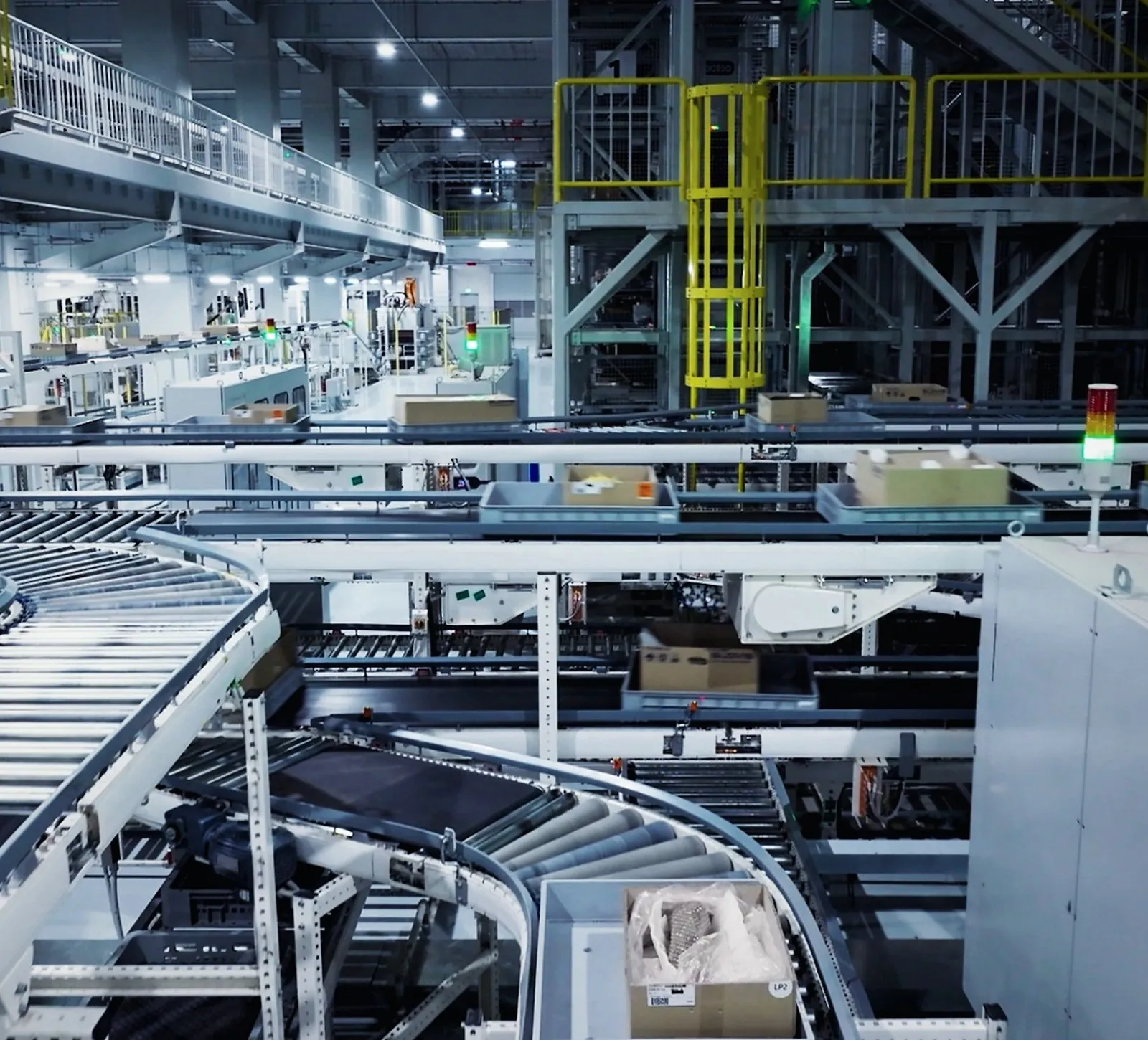
The promise on the product page and at checkout sets the bar that the rest of the order is judged against. If the shop shows stock that actually sits in a store two hundred kilometres away, or a delivery date the warehouse cannot meet, the order is late before it ships. An order management layer such as Salesforce Order Management, which runs the order from placement to delivery or refund, feeds that promise with real stock and routing data. The tighter the link between availability and routing, the more honest the promise.
How much of that logic moves into the order layer and how much stays in your ERP is the scoping question behind the scope of Salesforce Order Management. We answer it from the end customer's side of the flow, with your service and logistics people in the room, because they hear about broken promises first.
Proactive updates cut contact before it starts
A customer who hears about a delay from you is in a different mood from one who finds out at the door. When the order layer registers a delay, a changed address or a split shipment, it can trigger a message automatically. The real work sits in the rules. You decide which events justify a message, which channel carries it, and when a delay is big enough to offer something in return.
Peak season tests those rules hardest, because a small share of late orders becomes a large number of unhappy customers in a single week. That is why order visibility during peak season needs its own preparation, months before the first sales weekend.
Returns and refunds decide whether customers come back
Returns are where loyal customers are often made. A return that is easy to start and a refund that arrives quickly turn a disappointment into a reason to buy again. With the order, the payment and the return on one record, a service agent can approve a return, refund part of an order or exchange an item in a single contact.
The part that usually slows refunds is the handover from the warehouse. If the warehouse system confirms a return days after the parcel arrives, the refund waits as well. That connection deserves as much attention in the project as the screens customers see. It rarely gets it.